Autonomy Lab

Our lab investigates how consumers interact with and respond to autonomous technologies. At the Autonomy Lab, we study the rise of technological autonomy and the importance of preserving human autonomy in an automated world.

We focus on the convergence of two transformative trends: artificial intelligence and robotics. As these fields merge, they give rise to increasingly autonomous technologies that create new opportunities but also pose fundamental challenges for consumers, organizations, and societies. Led by Professor Emanuel de Bellis, our team combines expertise in marketing, psychology, and behavioral science to explore how consumers navigate this new technological landscape.


Research Focus

As AI and robotics become more intertwined, products and services are gaining unprecedented levels of autonomy. We study the psychological mechanisms underlying consumer adoption and resistance to autonomous technologies. We investigate how people perceive machine autonomy, what drives trust or skepticism towards autonomous systems, and how automation reshapes decision-making. Our research spans contexts from smart devices and service robots to self-driving vehicles and GenAI applications.

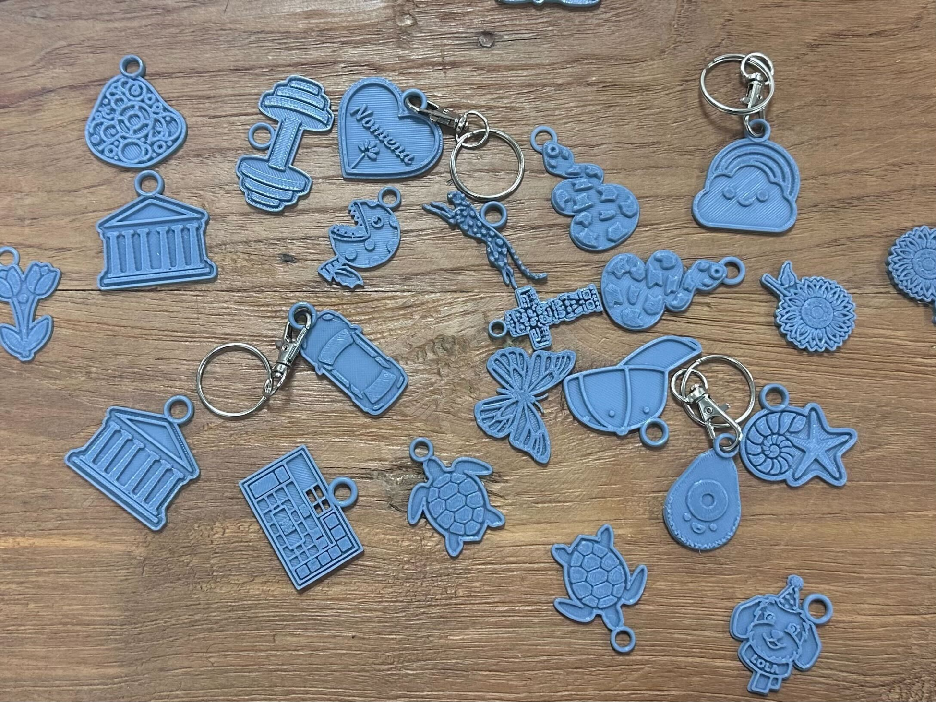
We also study related topics such as personalization, 3D printing, and blockchain technologies. These research streams share a common thread: understanding how emerging technologies shift the balance of autonomy between consumers and technology. By understanding both opportunities and barriers in consumer-technology interaction, we generate insights that help companies design better products and services while fostering technologies that benefit society at large.

Key ongoing research projects include:

3D Printing

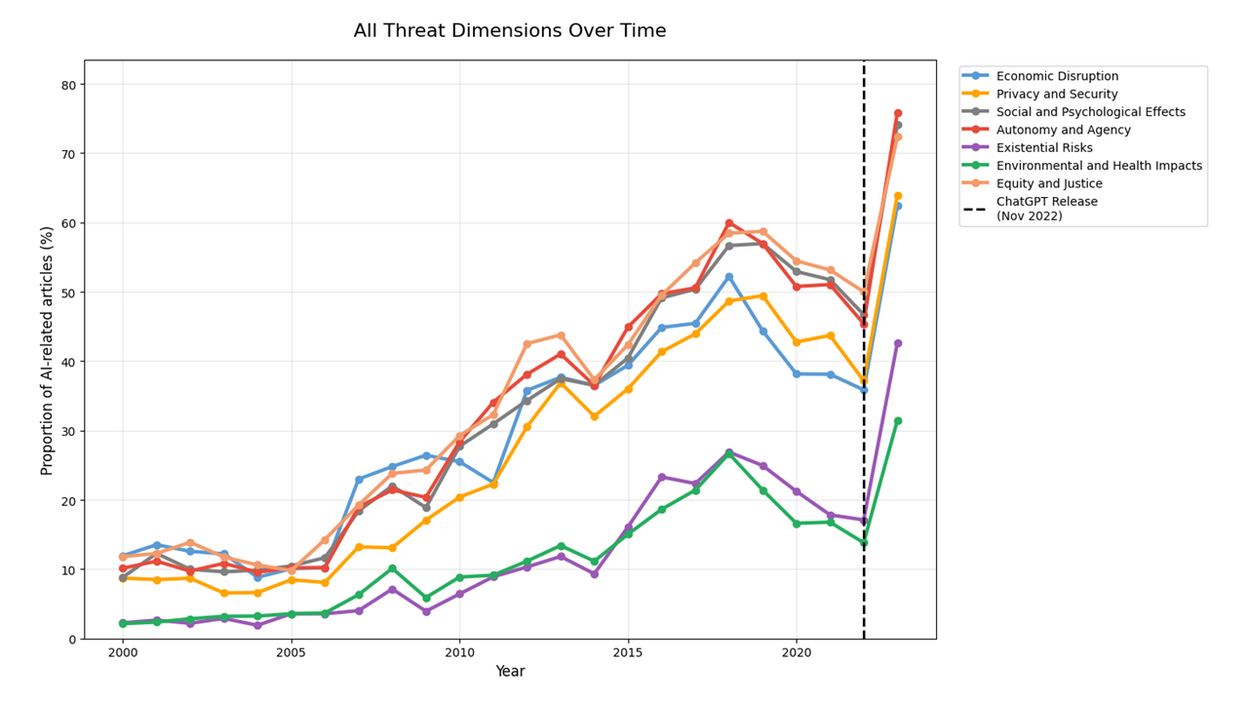
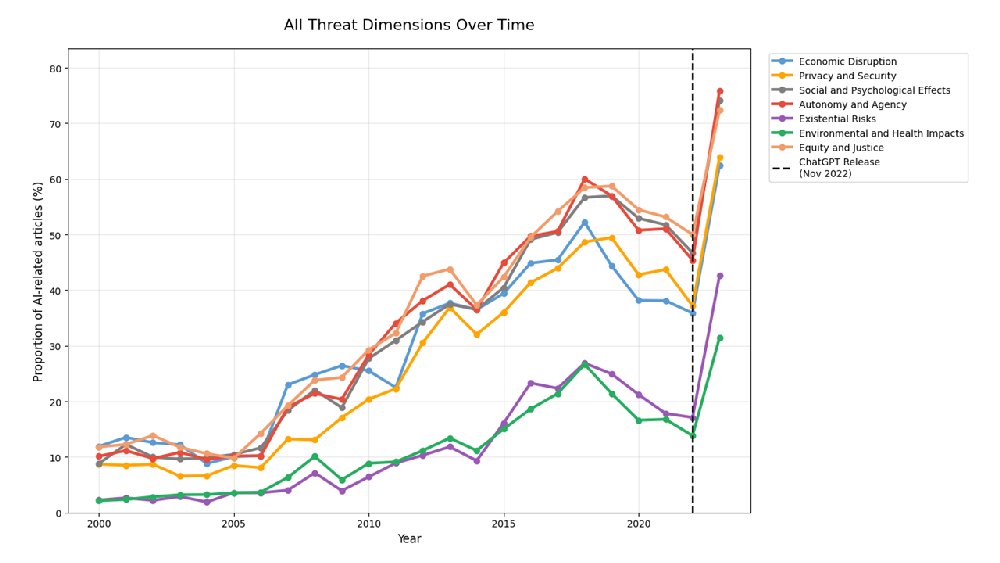
Media-Frame Analysis of Perceived Threats of Artificial Intelligence

Do public concerns about artificial intelligence fundamentally differ from or simply echo historical anxieties related to technologies like television, the internet, and social media? We systematically analyze a large corpus of newspaper articles from four major outlets spanning the last 100 years coding for various threat dimensions and their occurrences related to the different technological threats of the past.

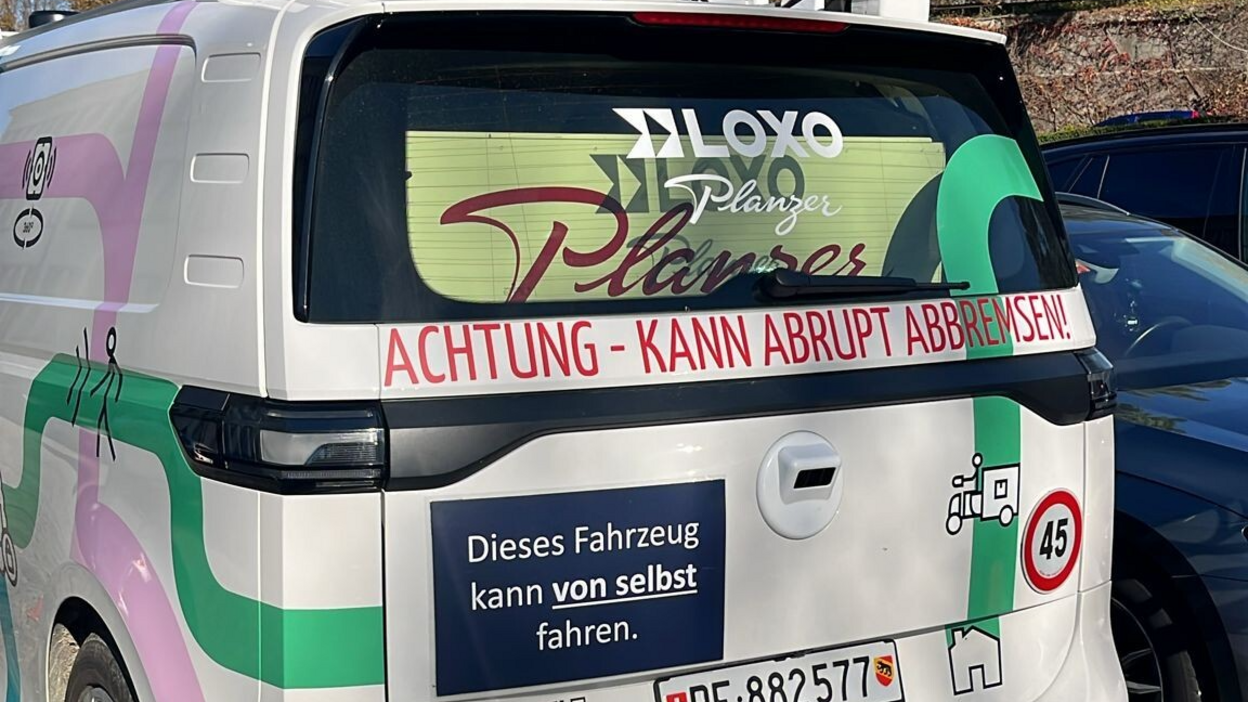
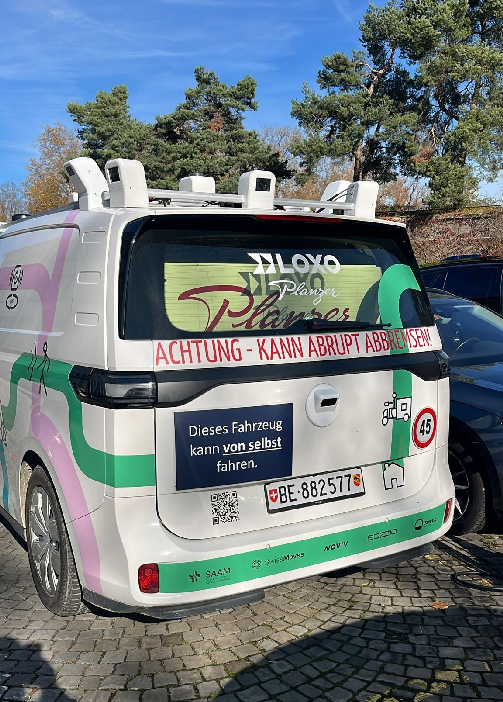
Perceived Vehicle Autonomy Increases Following Distance: Field and VR Insights

Self-driving (or autonomous) vehicles are now being deployed in several countries. How are self-driving vehicles perceived by other road users, and how does their perceived autonomy impact surrounding drivers’ behavior? We conduct a field experiment using a self-driving vehicle to measure behavioral responses of surrounding traffic, such as following distance and a laboratory study using VR.

Unique NFTs and Selfish Behavior in Crypto-Communities

Customer-Centric Motion Design

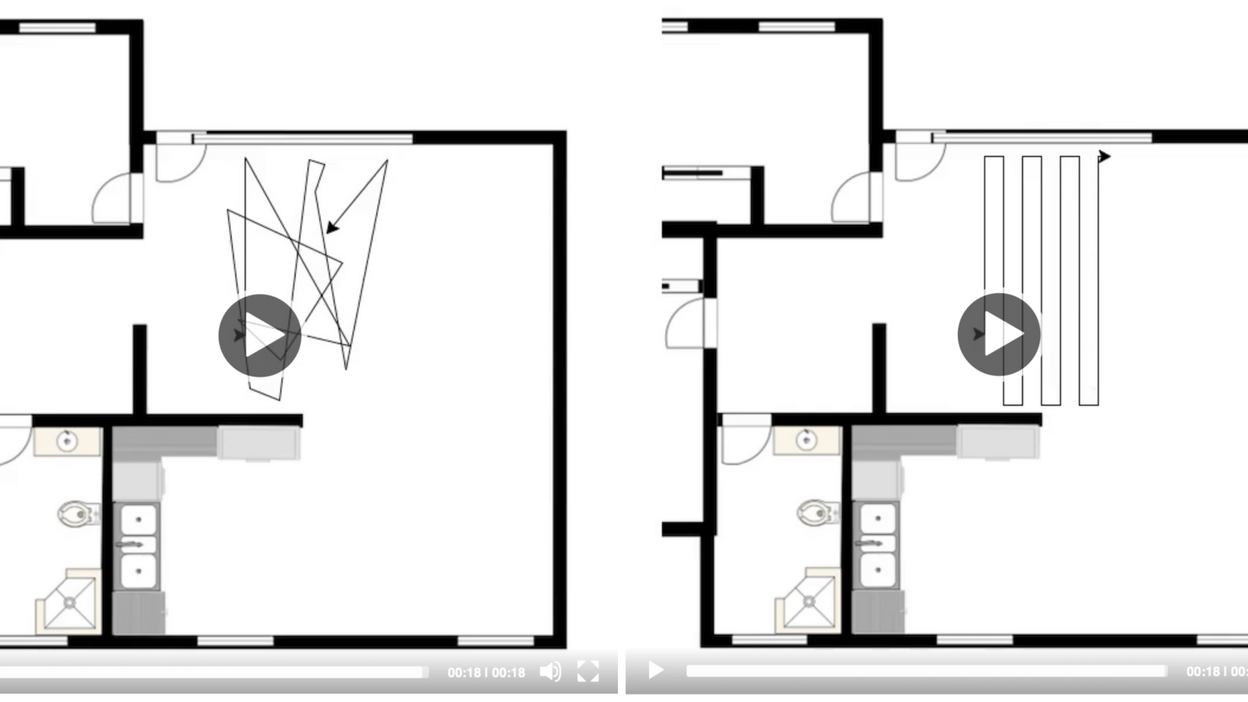
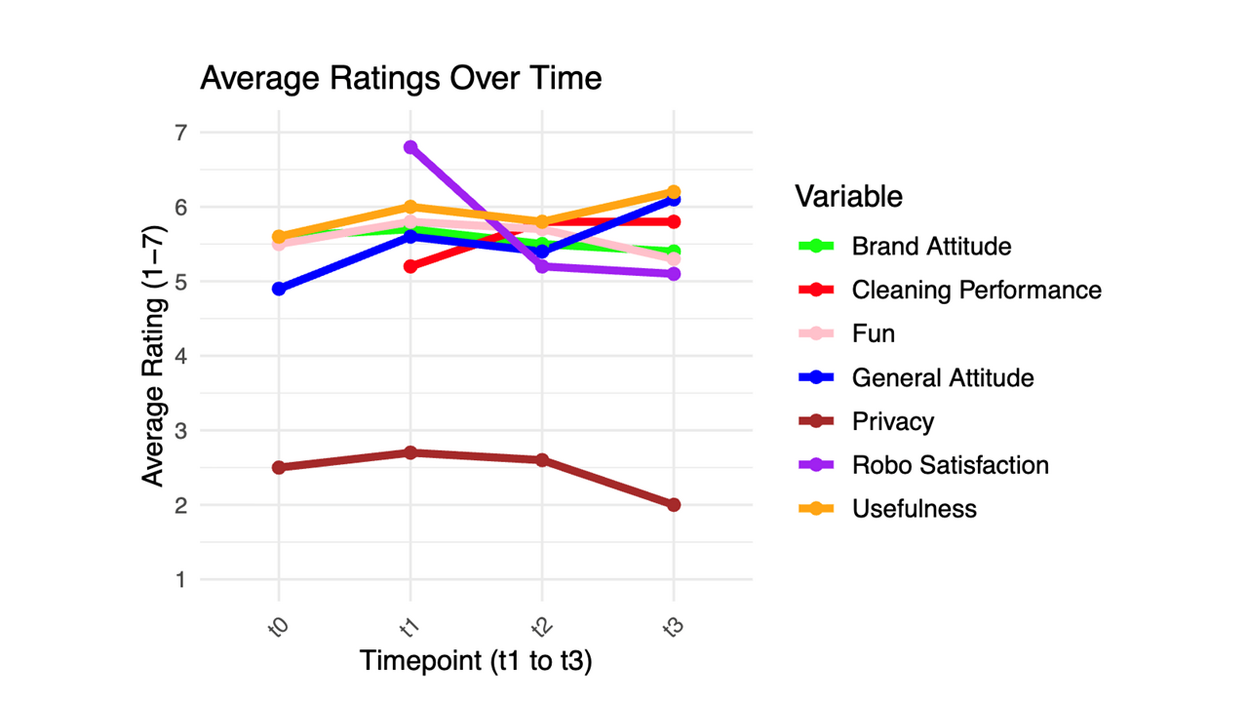
Autonomous Products in the Wild: A Large-Scale Field Study of Robot Vacuums

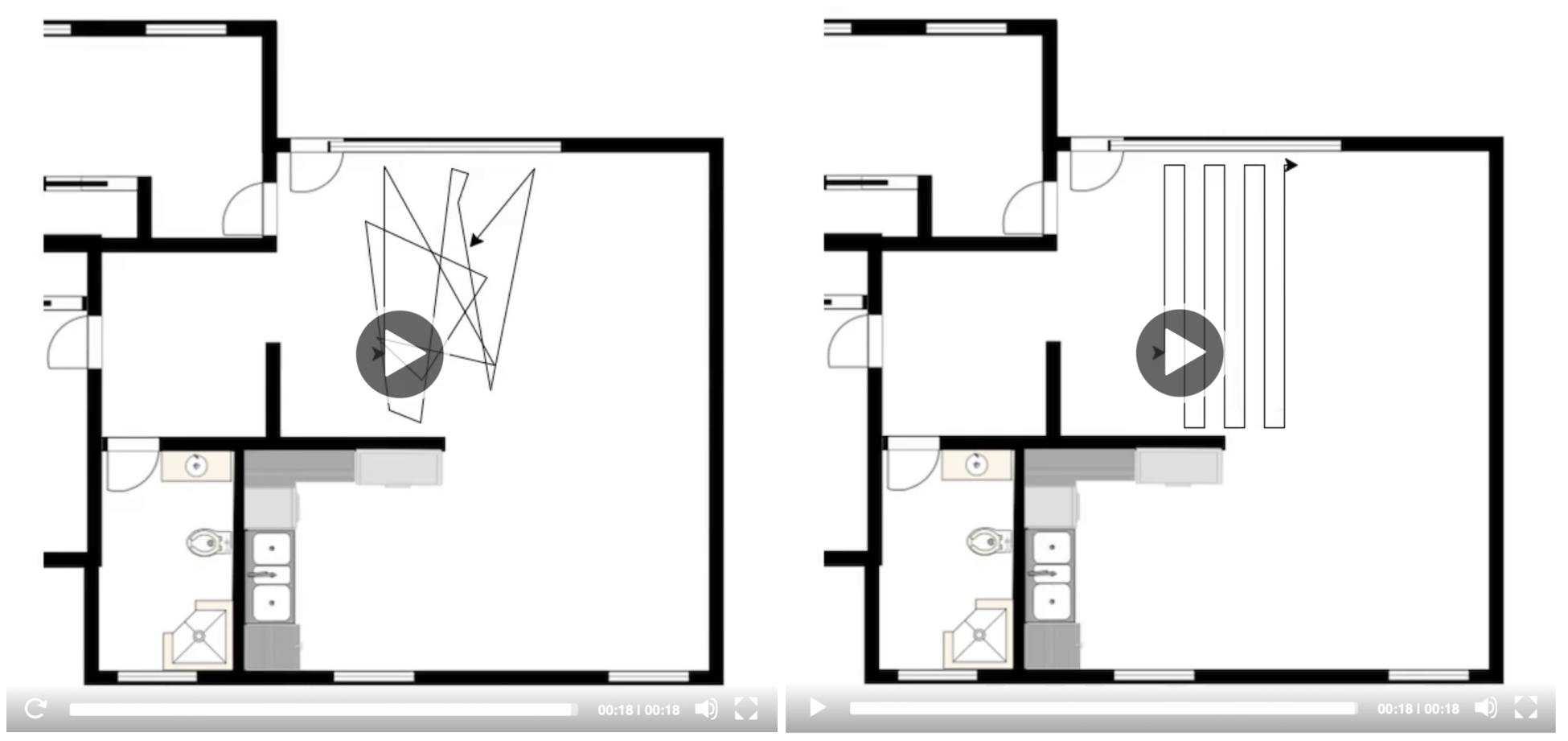
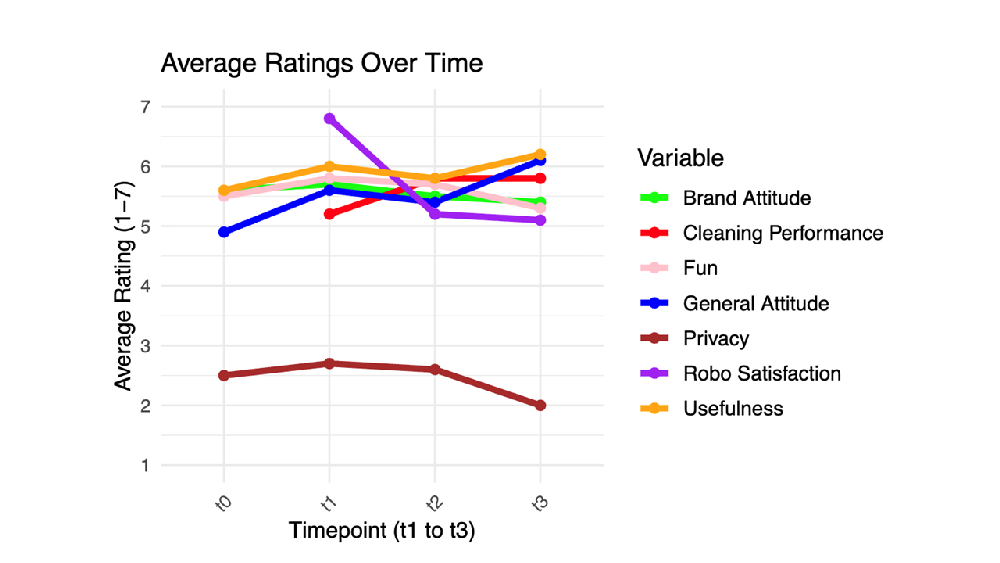
How do consumers adopt and use domestic technologies with growing autonomy? Together with an industry partner, we follow 300 households for multiple months through their experience of adopting and using a robot vacuum. Using data from multi-wave surveys, weekly diaries, in-home observations, and the companion app we aim to build a better understanding of how humans interact with autonomous technology in the real world.

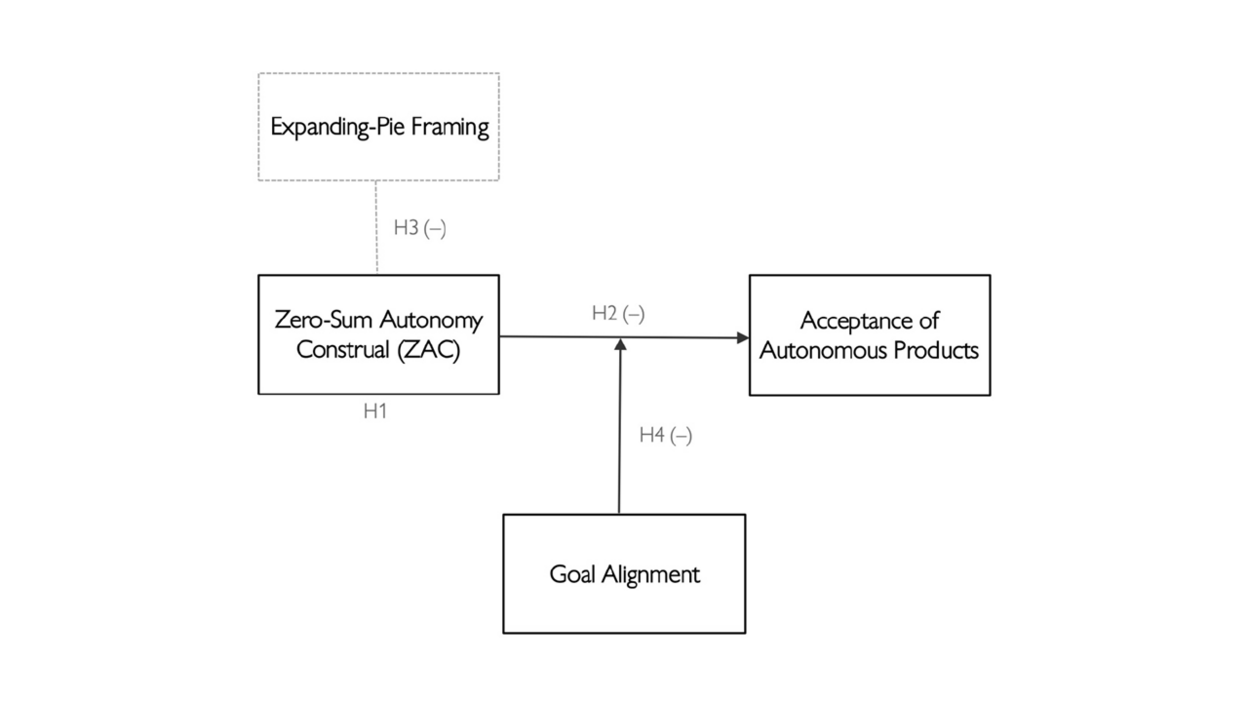
Technology's Catch-22: A Theory of Zero-Sum Autonomy

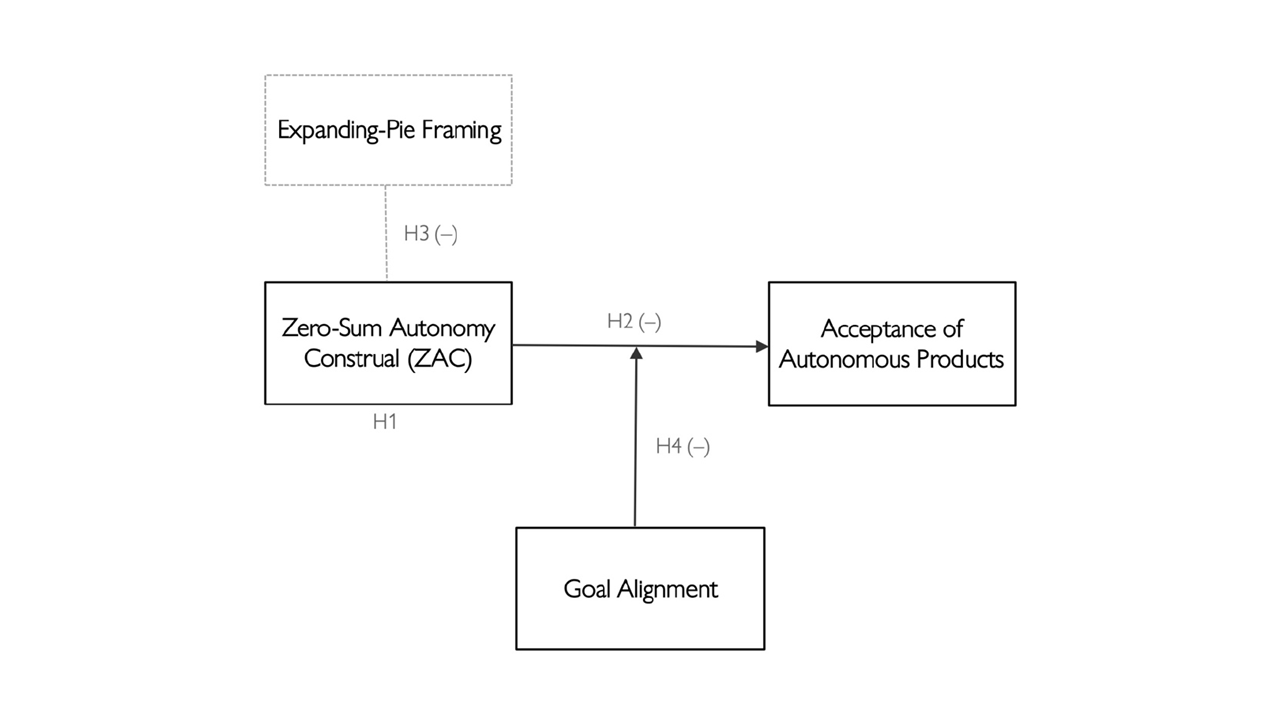
Autonomous products such as robot vacuums, smart home systems, and self-driving vehicles face persistent consumer resistance despite technological advancement. This paper introduces the Theory of Zero-Sum Autonomy, proposing that consumers construe a rise in product autonomy as loss in their own autonomy, i.e., as zero-sum. Across five studies (N = 3,116), zero-sum autonomy construal predicts lower product acceptance. Two theory-derived interventions—expanding-pie framing and goal alignment framing—reduce this construal and improve acceptance.

Approach

We combine behavioral experiments, field studies, and advanced analytics to understand how autonomy shapes consumer behavior and well-being. Our team's multidisciplinary backgrounds enable us to deeply understand consumer responses, examining not just what people do, but why they do so and when.

We follow open science principles, making our data and materials publicly available to ensure transparency and reproducibility. We believe robust science requires openness, and we preregister confirmatory research whenever possible.

We collaborate with industry partners and public institutions to address real-world challenges. Our findings, published in leading marketing and general science journals, inform both scientific knowledge and practical guidance for organizations. Our goal: technologies that generate value for organizations while preserving human autonomy.


Lab Members

Emanuel de Bellis
Associate Professor

Jonas Görgen
Assistant Professor, KEDGE Business School

Jenny Zimmermann
Assistant Professor, EDHEC Business School

Sophia Prix
Research Associate & PhD Student

Michele Russo
PhD Student

Anush Sridhar
Research Associate & PhD Student

Sabou Rani Stocker
Research Associate & PhD Student

Daria Leus
Research Assistant

Joël Sieber
Research Assistant


Collaborators

Academic Collaborators

Anne-Kathrin Klesse
Rotterdam School of Management

Stefano Puntoni
Wharton School

Tobias Schlager
HEC Lausanne

Bernd Schmitt
Columbia Business School


Key Industry Partners

Equalture

Loxo

Loxo

Vorwerk

Vorwerk

Vorwerk

Stadt Zürich

north